

Ultimately, financial https://www.bookstime.com/ statement analysis guides internal strategies and attracts external investment by showcasing financial strength and resilience. This is the most advanced section of our financial analysis course, and we recommend that you watch a demonstration of how professionals perform this analysis. Each of these three sections tells us a unique and important part of the company’s sources and uses of cash over a specific time period.
- Each of these three sections tells us a unique and important part of the company’s sources and uses of cash over a specific time period.
- Horizontal analysis, also known as trend analysis, is a powerful tool used by financial analysts, investors, and business managers to assess changes in financial data across multiple periods.
- Per usual, the importance of completing sufficient industry research cannot be overstated here.
- The investor may desire to understand how the firm has altered over time to decide.
- Stay ahead by keeping an eye on the past while focusing on the possibilities that lie ahead.
- So, if a company’s revenue increased from $600,000 in 2022 to $660,000 in one year, horizontal analysis would show a 10% growth.
Maintain data accuracy and consistency
The https://www.hedleystea.com/group-consolidation-what-is-group-consolidation/ current year, that is the question of the same company has reported net revenue of $20 million and retained income of $52 million. As a consequence, the net increase has been $10 million, and the earnings retained for that particular particular year is $2 million. For example, if an investor wants to invest in ABC company, the investor will want to know how the company has performed over the past years. Let’s say that in company ABC, the base year reported the net revenue to be $10 million and retained income of $50 million. This type of analysis is also very useful if an investor wants to determine the performance of a company prior to investing in the same.
- This article will walk you through exactly how to set up your data, calculate changes, and visualize the results to tell a clear financial story.
- Operating expenses rose from $3.5 million to $4 million during the same period.
- Calculate the percentage change by dividing the absolute change by amount of base year and multiplying the result by 100.
- The final step is to compare the company’s 15% operating margin to a peer group of competitors or the industry benchmark.
- From 2023 to 2024, Reliance Industries’ revenue increased by Rs.1,00,000 crores, or 20%.
- This visual comparison enables you to identify patterns, changes, and trends in a company’s financial performance.
- It allows finance leaders to see the trajectory of their financials and adjust their strategic decision-making to keep the company on track.
How to Match Two Lists in Excel Using ChatGPT
- The base year serves as the reference point for comparisons, while the current year represents the year under scrutiny.
- The cash flow statement highlights the inflows and outflows of cash from operations, investments, and financing.
- Investigate further to understand the underlying reasons for this fluctuation.
- Financial ratios are powerful tools that allow investors, analysts, and business owners to gain deeper insights into a company’s financial health.
- As in the prior step, we must calculate the dollar value of the year-over-year (YoY) variance and then divide the difference by the base year metric.
Based on the above analysis we see that the sales has increased resulting in increase in retained earning and dividend payout. Although there is increase in liabilities and provision, investments in made in fixed assets and other assets have increased showing a good balance in the company statement. Horizontal analysis, also known as trend analysis, is a powerful technique in financial analysis used to evaluate a company’s performance over a period. This comparison reveals trends and patterns that might not be immediately apparent. No, horizontal analysis alone cannot provide a comprehensive understanding of a company’s financial health. While it helps identify trends and changes over time, other financial analysis techniques are needed for a deeper evaluation.
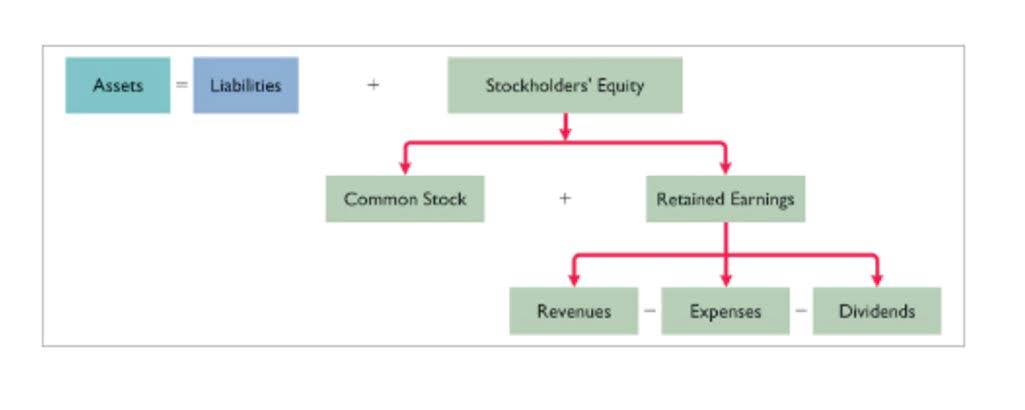
The Balance Sheet: A Snapshot of Financial Position
It can also be performed on ratios such as earnings per share (EPS), price earning ratio, dividend payout, and other similar ratio. Analysis on the horizontal level allows investors and analysts to examine a firm’s performance over several years and identify trends and growth patterns. This sort of study permits analysts to observe changes in various line items over time and project them into the future. To perform horizontal analysis horizontal analysis, you will need to gather financial data for your company over a specific period. This data can be pulled from your company’s financial statements, such as the balance sheet, income statement, and cash flow statement. It helps investors analyze and ascertain whether the company has had consistent growth over the years and if they are utilizing fund available in a balanced way.
Vertical Analysis
Analyzing these percentage changes allows you to identify trends and patterns in your company’s performance. Positive percentage changes indicate growth or improvement, while negative ones suggest decline or deterioration. By comparing these changes across different financial metrics such as revenue, expenses, and profits, you can pinpoint areas where your business has been successful or may require further attention.

Measuring your Instagram algorithm performance
Its primary purpose is to provide insights into how specific financial metrics and performance indicators have evolved over time. The three key components of financial statements used in horizontal analysis are the balance sheet, income statement, and cash flow statement. Each of these provides important metrics that allow analysts to assess a company’s performance over time. On the other hand, vertical analysis, also known as common size analysis, involves analyzing financial statements by expressing each line item as a percentage of a base figure. The base figure can be either total assets for the balance sheet or total revenue for the income statement. The analysis provides insight into the relative importance of each item in the financial statement.